

📖 Today’s Edition
The Big Story: Top AI talent is being acquired by non-tech giants, creating a new competitive advantage that’s hard to replicate.
Trends: Massive venture capital is flowing into AI for physical-world applications like robotics, moving beyond the digital realm.
The Workflow: Automate your entire process for creating Standard Operating Procedures (SOPs) and training documents.
🚀 AI News & Breakthroughs

AIRBNB POACHES META’S GENERATIVE AI CHIEF
Ahmad Al-Dahle, who previously led Meta’s generative AI team, has been hired as Airbnb’s new Chief Technology Officer. This high-profile hire signals a major strategic shift for Airbnb, placing AI at the core of its product development. The goal is to leverage advanced AI for hyper-personalization in the travel and e-commerce experience. This isn’t just about a new feature; it’s about building a competitive moat by acquiring top-tier talent to create proprietary AI systems. For founders, this means the competitive landscape is shifting, raising the stakes for everyone.
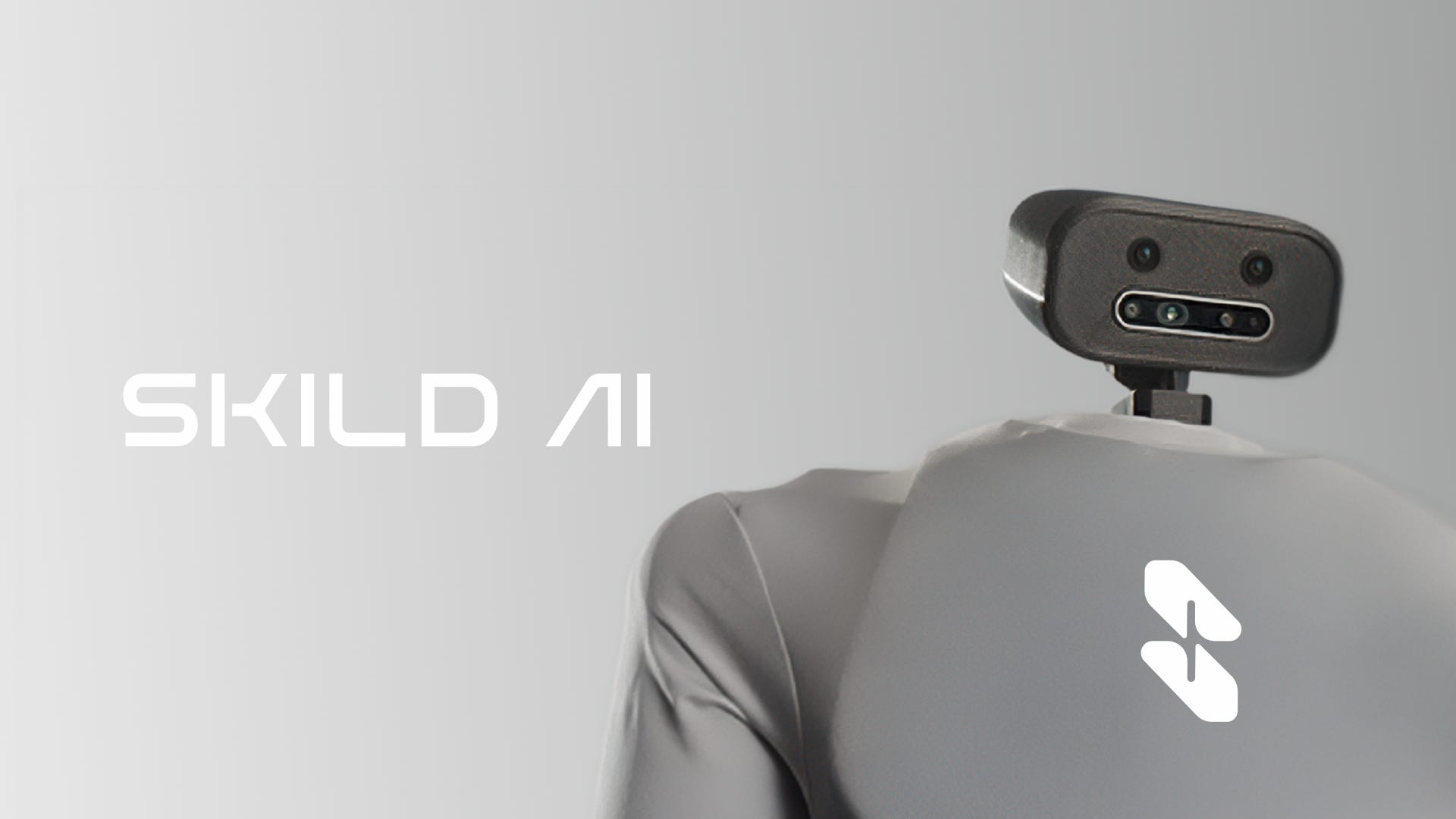
ROBOTICS STARTUP SKILD AI HITS $14B VALUATION
Skild AI, a company building a universal “brain” for robots, has raised $1.4 billion in a round led by SoftBank, valuing the company at $14 billion. This massive valuation signals that the next wave of AI investment is moving beyond digital products and into physical automation. For SMB owners, this will eventually lower the cost and complexity of deploying robotics in warehouses, manufacturing, and even service industries.
🛠️ AI Tools to Discover

1. Scribe
Automate training guides instantly.
Use Case: Record your screen while you perform a task. Scribe automatically creates a step-by-step guide with screenshots and text instructions. Perfect for creating SOPs and onboarding new employees.
Pricing: Free plan available.

2. Jasper (Formerly Jarvis)
Write marketing copy faster.
Use Case: Overcome writer’s block by generating high-quality marketing emails, ad copy, and blog posts that are optimized for conversion.
Pricing: Paid
💡 AI Prompts & Hacks
1. The Competitive Threat Analysis Prompt
Context: Use this to analyze how a competitor’s AI strategy could impact your business.
“Act as a Senior Business Strategist. My primary competitor is [Competitor Name], and they just announced [Describe their AI initiative, e.g., ‘hiring a major AI lead to personalize their user experience’].
Your goal is to analyze this move and provide a strategic response plan for my small business.
1. Identify the top 3 potential threats this poses to my market share.
2. Suggest 3 low-cost AI-driven strategies I can implement in the next 90 days to counter this.
3. Frame the output in a concise memo format, with clear action items.”
2. The Process Bottleneck Identifier
Context: Use this to find opportunities for automation in your daily operations.
“Act as an Operations Consultant. I am the owner of a [Your Business Type, e.g., ‘small e-commerce store’].
My goal is to identify the top 3 biggest time-wasting bottlenecks in my daily operations. I will provide you with a list of my common tasks:
[List your daily/weekly tasks here, e.g., ‘Answering customer emails, updating product listings, creating training docs, managing inventory’].
Your task is to:
1. Analyze the list and identify which 3 tasks are the most repetitive and least strategic.
2. For each task, recommend a specific category of AI tool (e.g., ‘AI Helpdesk’ or ‘Automated Documentation Tool’) that can help.
3. Estimate the potential time savings per week in a simple table format.”
3. The “Pain & Dream” Sales Email Prompt
Context: Use this to write a sales email that focuses on the customer’s core problem and desired outcome.
“Act as an expert direct-response copywriter. I am writing a cold email to a [Prospect’s Role, e.g., ‘Marketing Manager’] at a [Prospect’s Industry, e.g., ‘B2B SaaS company’].
My product is [Your Product/Service].
Your goal is to write a short, powerful email that follows the ‘Pain & Dream’ framework:
1. Subject Line: Ask a question that hints at their biggest pain point.
2. Opening Line (The Pain): Acknowledge the single most frustrating part of their job.
3. Second Line (The Dream): Describe the ideal future state or outcome they desire.
4. Third Line (The Bridge): Briefly introduce my product as the bridge to that dream.
5. Call to Action: A low-friction request.
Output Format: A ready-to-send email.”
🧑🏫 AI Training: Workflow of the Day
How to Automate SOP and Training Manuals
The Goal: Eliminate the hours spent manually taking screenshots and writing instructions for training documents.
The Stack: Scribe (Free Version)
Install the Scribe extension in your web browser (Chrome, Edge, etc.).
Start a new workflow. Navigate to the website or app where the process begins.
Click the Scribe extension icon in your browser and press “Start Recording.”
Perform the task as you normally would. Click through the process step-by-step. Scribe will capture your clicks and keystrokes in the background.
Stop the recording when you are finished. Scribe will automatically open a new tab with a fully generated step-by-step guide, complete with annotated screenshots and written text.
Edit and Share. Quickly edit the text for clarity, add any extra notes, and share the guide with your team via a link or PDF export.
“The global market for explainable AI (XAI) is projected to surge from USD 8.01 million to USD 53.92 million by 2035, boasting a compound annual growth rate of 18.93%.”
— ResearchAndMarkets.com
In short: As governments and customers become more skeptical of AI, the demand for systems that can explain why they made a decision will skyrocket. This isn’t just a compliance issue; it’s a trust issue. Businesses that adopt transparent AI will have a competitive advantage.