

📖 Today’s Edition
The Big Story: A $900M acquisition shows the AI battleground is moving from software to physical robotics.
Trends: The era of manual IT management is ending as AI creates self-managing systems.
The Workflow: A masterclass on using Notion to automate and organize your entire business.
🚀 AI News & Breakthroughs
INTEL’S MOBILEYE ACQUIRES MENTEE ROBOTICS FOR $900M
Intel’s self-driving car division, Mobileye, has acquired humanoid robotics startup Mentee Robotics in a massive $900M deal, signaling a major strategic pivot from automotive AI to general-purpose robotics.
The Details:
The acquisition was announced at CES 2026, where Mobileye co-founder Amnon Shashua declared the company’s new vision: “Mobileye 3.0.”
The goal is to leverage Mobileye’s expertise in autonomous navigation to build AI-powered humanoid robots for various industries.
Why it matters (Strategic Analysis): This is a critical signal for founders. When a market leader in a niche AI field (automotive) spends nearly a billion dollars to enter a new one (robotics), it indicates where the next wave of value creation is expected. This isn’t just about robots; it’s about the convergence of different AI disciplines. For SMBs, this suggests that the underlying AI for automation is maturing rapidly, and the talent and technology will soon trickle down to more accessible, everyday business applications.
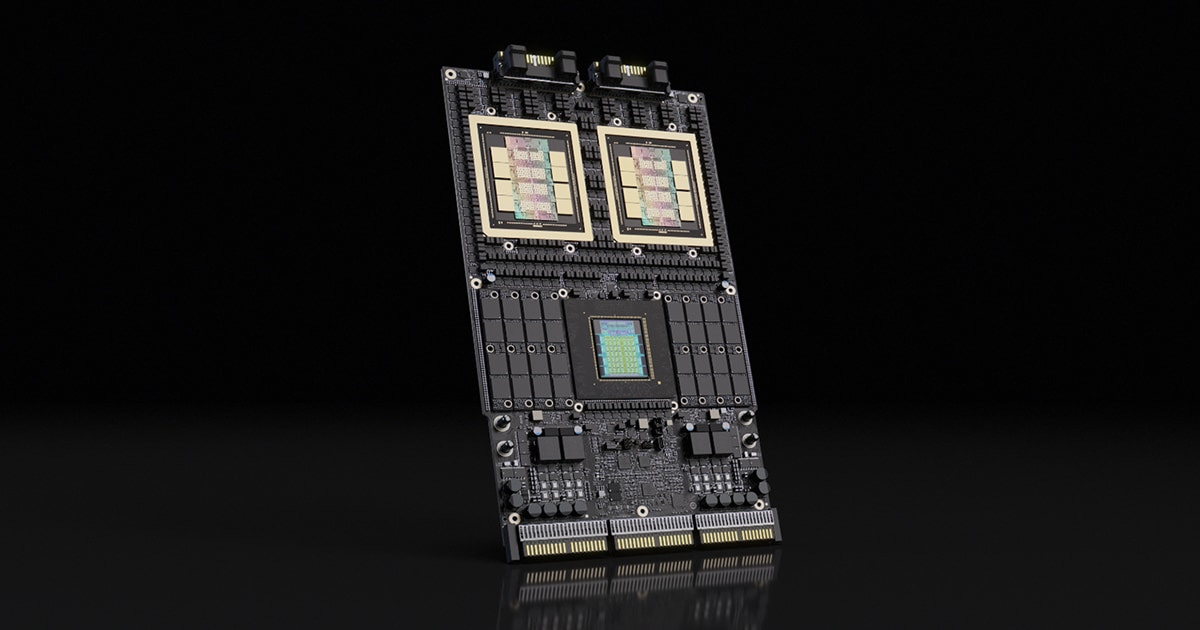
NVIDIA LAUNCHES VERA RUBIN PLATFORM TO POWER NEXT-GEN AI
Nvidia, the undisputed leader in AI chips, has launched its new “Vera Rubin” computing platform, designed to power the next generation of AI models and infrastructure.
The Details:
The new platform is built to handle the massive computational demands of increasingly complex AI.
Nvidia’s CEO estimates the global AI infrastructure market will be worth $3-4 trillion over the next five years.
Why it matters (Strategic Analysis): While a new chip platform seems technical, the business implication is simple: the cost of AI power continues to fall while capabilities skyrocket. This trend is what makes AI accessible to smaller businesses. Just as cloud computing on AWS made it possible to start a software company without buying servers, platforms like this will democratize access to powerful AI, enabling small teams to build tools that previously required massive R&D budgets.
🛠️ AI Tools to Discover
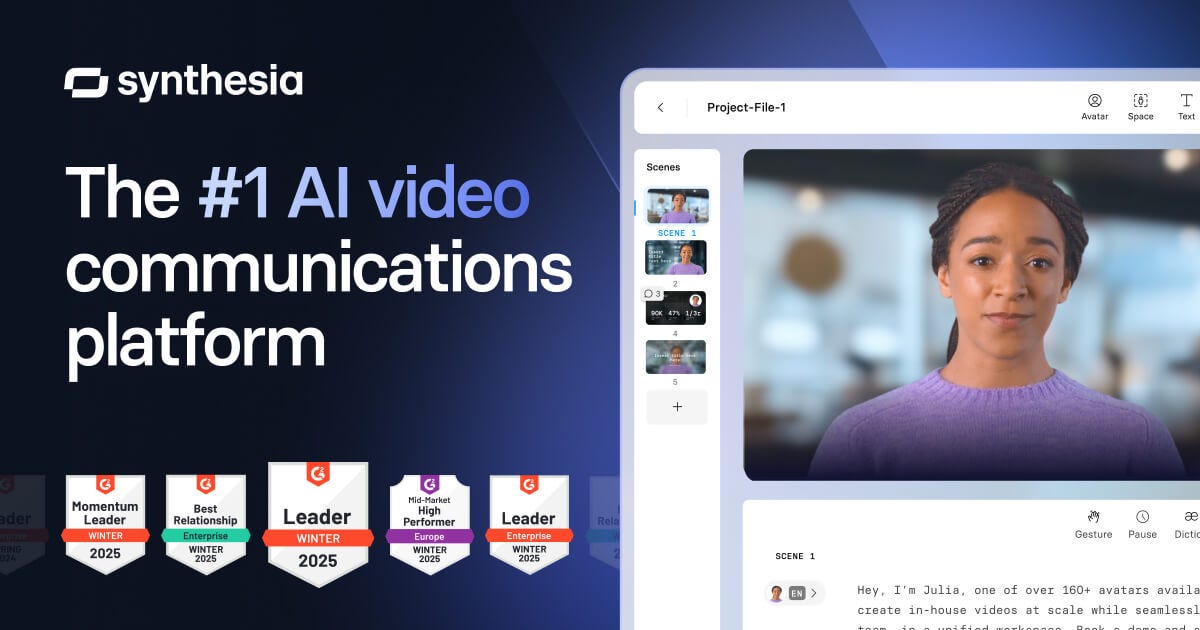
1. Synthesia
Create professional videos from text.
Use Case: Generate training videos, product demos, or marketing content with AI avatars, saving thousands on video production costs.
Pricing: Paid

2. Apollo.io
All-in-one sales intelligence platform.
Use Case: Find verified emails and phone numbers for potential customers, automate outreach sequences, and use AI to write personalized sales emails.
Pricing: Freemium
💡 AI Prompts & Hacks
1. The Strategic Pivot Prompt
Context: Use this to evaluate new market opportunities, inspired by Mobileye’s move into robotics.
“Act as a seasoned market strategist. My company, [Your Company Name], currently operates in the [Your Industry] sector.
We have core expertise in [Your Core Competency, e.g., ‘logistics management’]. A new, high-growth market is emerging in [New Market, e.g., ‘drone delivery services’].
Your task is to create a strategic analysis for entering this new market. Address the following:
1. Synergies: How can we leverage our existing expertise?
2. Risks: What are the top 3 financial and operational risks?
3. First Step: What is a low-cost pilot project we could run in the next 90 days to test this market?
Output Format: A concise, bulleted memo.”
2. The Autonomous IT Audit Prompt
Context: For business owners looking to cut IT overhead and improve efficiency.
“Act as an IT operations consultant. I am a non-technical founder of a [Your Business Type] with [Number] employees.
We currently spend money on [List 3-4 IT costs, e.g., ‘manual software updates, data backups, system monitoring, cloud server management’].
Your goal is to write a plan to move towards ‘Autonomous IT.’
1. Identify 3-5 manual IT tasks that can be automated using modern AI-powered tools.
2. For each task, recommend a specific software (e.g., ‘Zapier for workflows,’ ‘LogicMonitor for observability’).
3. Estimate the potential time and cost savings.
Output Format: A simple table with columns for Task, Recommended Tool, and Estimated ROI.”
3. The Competitor Monitoring Prompt
Context: To automate tracking of your key competitors’ strategic moves.
“Act as a competitive intelligence analyst. I want to create a daily monitoring report for my competitor, [Competitor’s Name].
Your task is to process the following data: [Paste a recent news article or press release about the competitor here].
Based on this data, extract and summarize the following:
1. Strategic Intent: What does this move say about their long-term strategy?
2. Financial Impact: What are the likely financial implications for them and the market?
3. Threat Level: On a scale of 1-10, how does this impact my business?
Output Format: A brief, scannable report.”
🧑🏫 AI Training: Workflow of the Day
How to Build a Fully Automated Business Dashboard in Notion
The Goal: Centralize your projects, tasks, notes, and business systems into one smart, automated workspace.
The Stack: Notion + Notion AI
Step-by-step:
Foundations First: Set up core databases for Projects, Tasks, and Contacts. Use Notion’s pre-built templates to get started quickly.
Link Databases: Create “relations” between your databases. For example, link every Task to a Project, and every Project to a Contact (client). This creates a powerful, interconnected system.
Use Notion AI for Automation: Use the “AI Autofill” feature to automatically summarize meeting notes from a database or generate action items from a project brief.
Create a Master Dashboard: Build a new page called “My Dashboard.” Use linked database views to pull in all tasks assigned to you, projects that are due this week, and recent client activity, all in one place.
“The age of standalone AI models is ending. The future of AI is about deep integration into platforms, strategic acquisitions, and building defensible ecosystems.”
— Industry Analysis
Winning with AI is no longer about having the single “best” tool; it’s about how you connect your tools, data, and workflows into a cohesive system that drives business results.