

📖 Today’s Edition
The Big Story: New AI tools create massive productivity gains but also open up critical data security risks you can’t ignore.
Trends: AI is moving beyond screens and into the physical world, creating new opportunities in logistics, manufacturing, and automation.
The Workflow: A step-by-step guide to creating high-quality documentation that saves you hours on onboarding and training.
🚀 AI News & Breakthroughs

AI’S PRODUCTIVITY BOOM COMES WITH A SECURITY COST
As AI assistants like Microsoft Copilot become deeply integrated into workplace tools like SharePoint and Teams, they are creating new, hard-to-track data security vulnerabilities.
The Details:
AI tools can access and process sensitive company information shared in chats and documents to answer user prompts.
This creates a risk of exposing confidential data (financials, HR issues, client info) in AI-generated outputs if not properly governed.
Simultaneously, new models like GPT-5 are offering unprecedented reasoning capabilities, making them more powerful and more integrated into business operations than ever before.
Why it matters (Strategic Analysis): The productivity gains from AI are undeniable, but they come with a hidden compliance cost. For a founder, a single data leak from an improperly used AI tool could lead to significant financial penalties, loss of customer trust, and legal trouble. This means creating an “AI Usage Policy” is no longer optional; it’s a critical piece of corporate governance required to safely leverage these new tools.
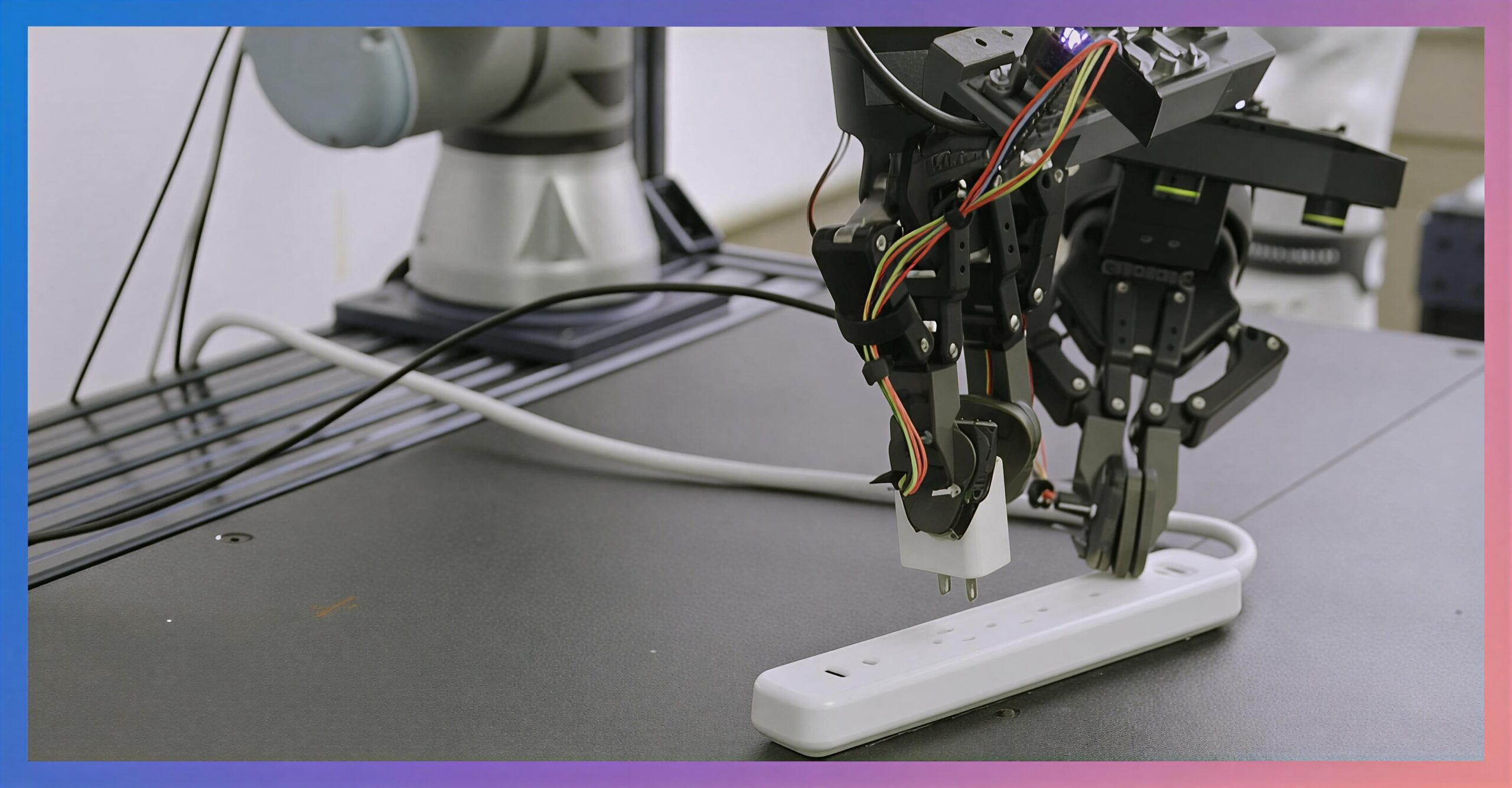
“PHYSICAL AI” IS LEAVING THE LAB AND ENTERING THE REAL WORLD
A major theme from the recent CES conference, championed by AI pioneer Fei-Fei Li, is the shift from purely digital AI to “Spatial Intelligence” or “Physical AI”—systems that can see, understand, and interact with the physical world.
The Details:
This next wave of AI focuses on robotics, automated logistics, smart factories, and real-world sensor data.
Companies like 51World are already applying this to industries like mining to optimize operations and address the massive energy needs of AI data centers.
Why it matters (Strategic Analysis): This trend opens up a new frontier for business. For SMBs in sectors like manufacturing, construction, or logistics, this means the cost of automation is about to drop significantly. It creates opportunities to build new services around AI-powered quality control, automated inventory management, and hyper-efficient supply chains. This is the moment to start brainstorming how AI can optimize your physical operations, not just your digital ones.
🛠️ AI Tools to Discover
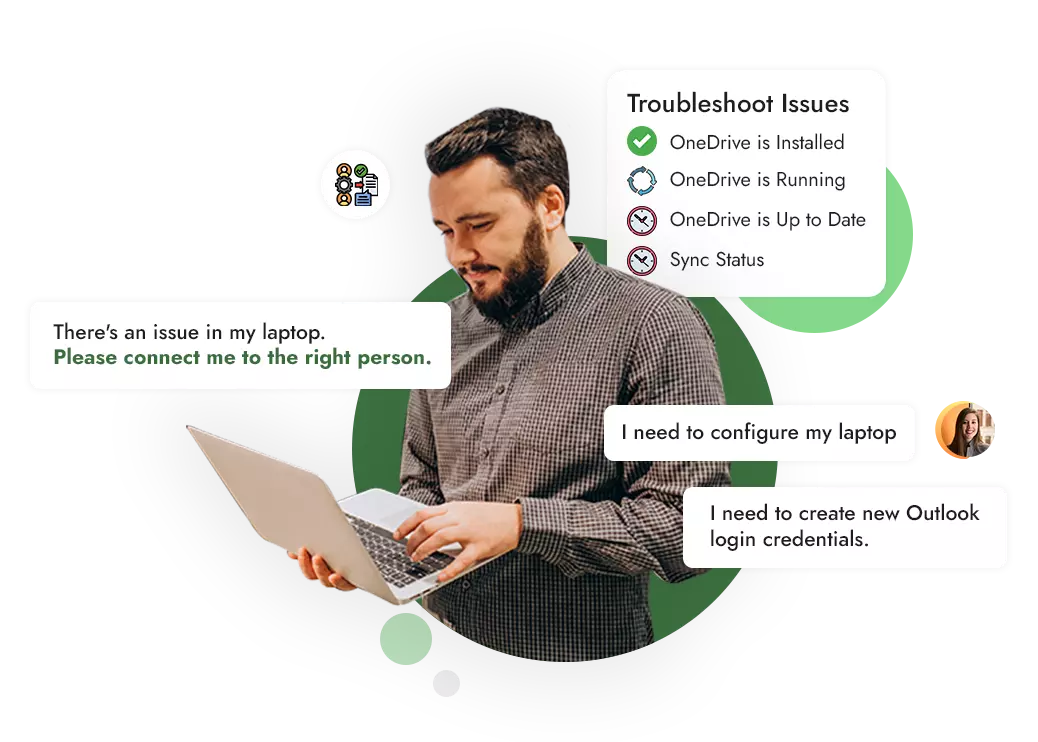
1. Rezolve.ai
Automate IT support in Slack/Teams.
Use Case: An employee can’t connect to the printer. Instead of filing a ticket, they ask the Rezolve.ai bot in Slack, which instantly provides the solution. It auto-resolves 60-80% of common IT issues.
Pricing: Paid

2. Prophix One Agents
Your autonomous AI finance team.
Use Case: Instead of spending hours in Excel, you ask, “Forecast our cash flow for the next six months based on current sales trends and pull the latest report.” The AI agent does the work in seconds.
Pricing: Paid
💡 AI Prompts & Hacks
1. The AI Security Policy Prompt
Context: Use this to create a baseline policy for your team’s use of public AI tools.
“Act as a Chief Information Security Officer for a small business. I need to create a simple, one-page ‘Acceptable Use Policy’ for AI tools like ChatGPT.
Your goal is to draft a policy that:
1. Is easy for non-technical employees to understand.
2. Clearly defines what ‘Confidential Company Data’ is (e.g., financial, customer PII, strategic plans).
3. Establishes a strict rule: NEVER input confidential data into public AI tools.
4. Provides safe examples of AI use (e.g., \”Write a marketing email for a public product\”).
Output Format: A clear, concise policy document ready to share with the team.”
2. The Physical AI Brainstorm Prompt
Context: Use this to explore how “Spatial Intelligence” could impact your specific business.
“Act as a business strategy consultant specializing in Physical AI. I run a [Your Business Type, e.g., ‘small e-commerce warehouse’ or ‘construction company’].
Based on my business, your goal is to generate 5 concrete ideas for how I could use Physical AI or Spatial Intelligence to:
1. Reduce operating costs.
2. Increase efficiency or output.
3. Create a new service for my customers.
For each idea, briefly explain the potential ROI.”
3. The Automation ROI Prompt
Context: Use this to decide if a new AI automation tool is worth the investment.
“Act as a financial analyst. I am considering purchasing an AI tool called [Tool Name, e.g., ‘Rezolve.ai’] for my company of [Number] employees. It costs [Price, e.g., ‘$2,000/month’].
The tool claims to solve [Problem, e.g., ‘internal IT support tickets’] and save time. My average employee’s fully-loaded cost is [e.g., ‘$60/hour’].
Your goal is to build a simple ROI calculation. Estimate:
1. The hours saved per employee per month.
2. The total monthly cost savings.
3. The net monthly ROI (Savings - Cost).
4. The annual ROI.
Output Format: A short, clear summary I can use to make a purchase decision.”
🧑🏫 AI Training: Workflow of the Day
How to Create Great How-To Guides for Your Team
The Goal: Create clear, effective, and scalable documentation for any software or process in your business to reduce training time.
The Stack: Your Knowledge Base (Notion, Google Docs, etc.)
Define the Goal: Start by writing a single sentence describing what the user will be able to do after reading the guide (e.g., “This guide shows you how to set up your company email on your phone.”).
Outline the Core Steps: Write down the 3-5 major steps required to achieve the goal. Don’t add detail yet, just the main actions.
Draft Simple Instructions: For each step, write a short, action-oriented instruction. Use command verbs like “Click,” “Open,” or “Enter.” Add screenshots for every single action.
Add Troubleshooting Tips: Below the steps, create a small “Common Problems” section to address potential errors before they happen.
Get Feedback: Before publishing, ask someone who has never done the task to follow your guide. Watch where they get stuck and revise your instructions for clarity.
“The rise of AI has introduced new data protection risks. Tech leaders must adopt new governance for compliance in 2026 enterprise AI deployments.” — Industry Analysis
In short: Using AI without a clear safety and security policy is like driving a race car without a seatbelt. The speed is thrilling, but the risk is catastrophic.