

📖 Today’s Edition
The Big Story: A $462M bet on geothermal energy reveals the new key to AI dominance: cheaper power.
Trends: National governments are now building their own sovereign AI clouds to reduce reliance on US tech giants.
The Workflow: Create a professional slide deck from a block of text in under 5 minutes.
🚀 AI News & Breakthroughs
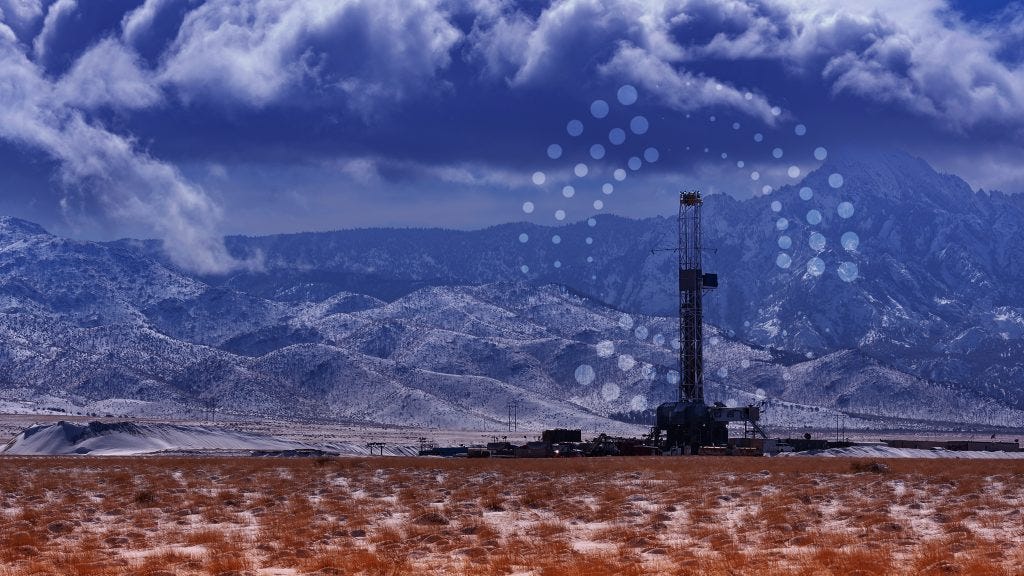
GOOGLE-BACKED STARTUP RAISES $462M TO POWER AI WITH GEOTHERMAL ENERGY
A startup named Fervo has raised $462 million to build geothermal power plants specifically designed to meet the massive energy demands of AI data centers. The Details: Fervo is pioneering next-generation geothermal technology to provide 24/7 carbon-free energy. The funding highlights a critical bottleneck for AI’s growth: the immense and rising cost of electricity for training and running models. Why it matters (Strategic Analysis): This isn’t just an energy story; it’s a fundamental shift in the AI cost structure. As AI models become a commodity, the long-term winners will be those who can secure the cheapest, most reliable power. For founders, this means your future AI-related operating costs are directly tied to the energy market. It creates a new competitive advantage: companies that can co-locate their computing infrastructure with low-cost energy sources like geothermal will have a significant margin advantage over those stuck paying premium grid prices. Read more

NATIONS ARE BUILDING THEIR OWN AI CLOUDS
Azerbaijan has launched a national Supercomputer Center powered by NVIDIA’s latest chips, aiming to accelerate its domestic AI development and reduce reliance on foreign tech providers. The Details: The center allows Azerbaijan to train its own AI models and ensures sensitive government or corporate data stays within its borders. This follows a global trend of countries investing in “sovereign AI” capabilities. Why it matters (Strategic Analysis): The AI arms race has moved beyond corporations to nations. For business leaders, this signals potential market fragmentation. As more countries build their own AI ecosystems, you may face new data localization laws or be required to use specific, in-country cloud providers when expanding internationally. This adds a new layer of regulatory complexity and strategic planning for global operations. Read more
🛠️ AI Tools to Discover
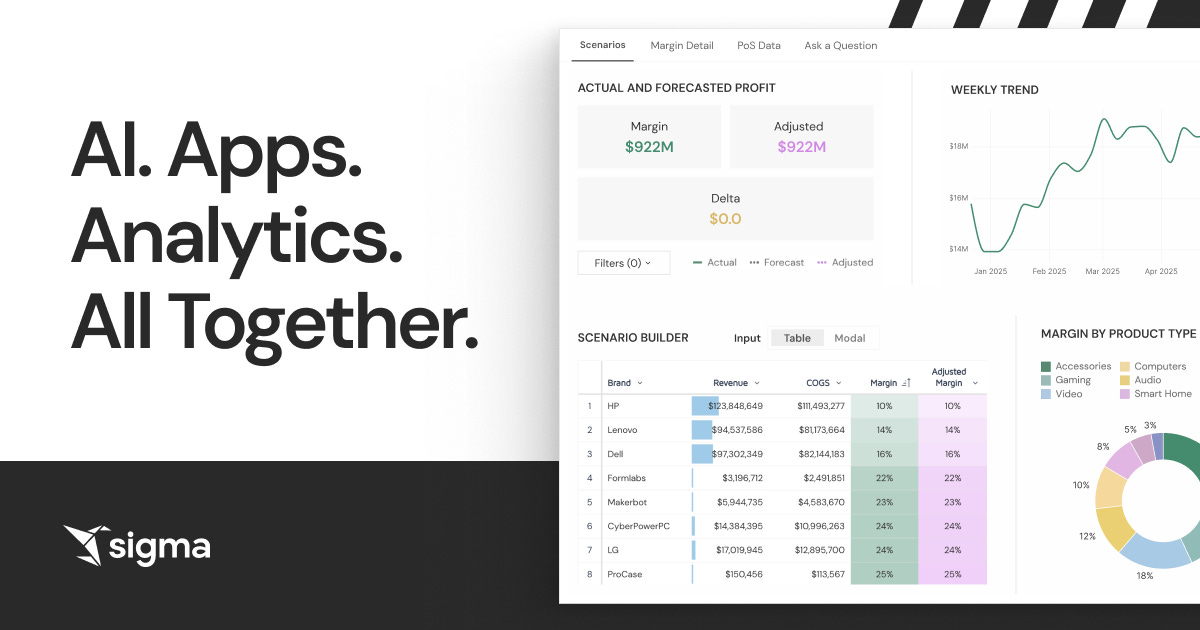
1. Sigma AI
Build data apps, no code.
Use Case: Instantly turn data from your spreadsheets or databases into interactive dashboards or internal tools without writing a single line of code.
Pricing: Paid
2. AntiGravity
Accelerate your software development.
Use Case: For founders with dev teams, this tool integrates with your coding workflow to automate tasks, fix bugs, and speed up the entire development cycle.
Pricing: Paid
💡 AI Prompts & Hacks
1. The Sustainable AI Infrastructure Prompt
Context: Use this to evaluate the ROI of switching to a more sustainable, and potentially cheaper, energy source for your company’s computing needs.
“Act as a Chief Financial Officer specializing in technology infrastructure. I am evaluating the financial viability of moving our company’s data processing to a provider that uses sustainable energy, like geothermal.\n\nYour goal is to create a cost-benefit analysis.\n1. Identify at least 5 key financial variables to consider (e.g., cost per kilowatt-hour, government incentives, long-term price stability).\n2. Outline potential risks and how to mitigate them.\n3. Structure the output as a concise memo to the CEO.\n\nMy current annual cloud spend is `[$Insert Your Annual Cloud Spend]`.”
2. The No-Code App Scoping Prompt
Context: Before you build an internal tool with something like Sigma AI, use this to create a clear project brief for yourself or your team.
“Act as a Senior Product Manager. I need to build a simple no-code application for my team to track `[Insert Business Function, e.g., sales leads]`.\n\nYour goal is to generate a one-page project brief. The brief must include:\n1. **Objective:** What is the #1 goal of this tool?\n2. **Key Features:** List the 3-5 essential features the app must have.\n3. **Data Requirements:** What specific data points need to be displayed (e.g., Customer Name, Lead Status, Last Contact Date)?\n4. **User Flow:** Describe the simple step-by-step process a user would take.\n\nOutput Format: A clean, well-structured document ready to share.”
3. The Competitive Threat Analysis Prompt
Context: Use this to analyze how a new, well-funded competitor could impact your market position.
“Act as a Market Strategy Consultant. A new competitor, `[Insert Competitor Name]`, has just entered our market for `[Insert Your Industry]` with significant funding.\n\nYour goal is to analyze the strategic threat and propose a counter-strategy.\n1. Identify the 3 most likely competitive advantages our new rival will leverage.\n2. Analyze the 3 biggest vulnerabilities of our current business model they might exploit.\n3. Propose 3 actionable, low-cost initiatives we can launch in the next 90 days to defend our market share.\n\nOutput Format: A strategic briefing note with clear headings for each section.”
🧑🏫 AI Training: Workflow of the Day
How to Create a Polished Presentation in 5 Minutes
The Goal: Stop wasting hours in PowerPoint or Google Slides. Turn your notes into a professionally designed presentation, fast.
The Stack: Gamma App
Step-by-step:
Sign up for a free account on Gamma.
Select “Create New AI”. Choose the “Generate” option.
Paste Your Text. Copy your meeting notes, report outline, or a block of text and paste it into the prompt box.
Give Instructions. Tell the AI the goal of the presentation and the target audience to refine the tone.
Generate & Edit. Gamma will create a full slide deck. You can then click on any card to edit text or use the AI to find new images.
“Thea Energy says that its planar-coil fusion power plant could be cheaper and easier to build thanks to AI-powered control software.” — TechCrunch
In short: We’ve reached a point where AI is now being used to solve its own biggest problem: its massive appetite for energy. This feedback loop will accelerate progress in both AI and energy infrastructure.